

Strategies & Tips
What Is a Poker Solver? Inputs, Outputs and Limits
See what a poker solver actually computes, which ranges and bet sizes define its game tree, and why a mixed output is not a live-play instruction.
Practical, evidence-backed guidance for understanding poker decisions, position, ranges, and review.
See what a poker solver actually computes, which ranges and bet sizes define its game tree, and why a mixed output is not a live-play instruction.

Compare primary-source poker-room rules for live decision assistance, charts, HUDs and study tools, with dated checks and explicit unknowns.
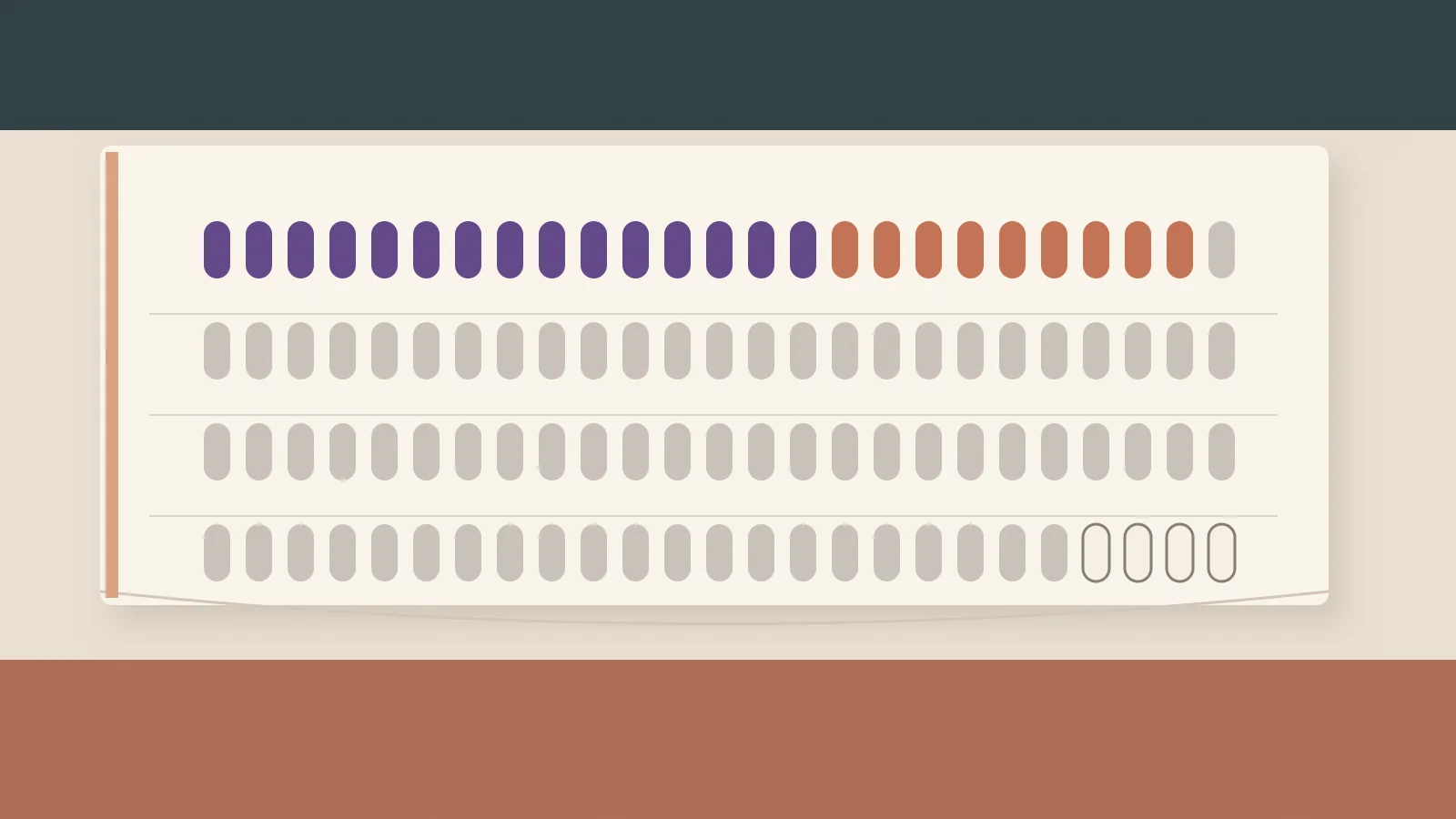
What does VPIP measure? Recalculate a synthetic 100-hand VPIP/PFR ledger, see why walks change the denominator and read the stat without overconfidence.

Replace exact-hand guesses with a transparent range model. Count pairs, suited and offsuit combos, remove blocked cards and update after a flop bet.

A 3-bet is a re-raise, not a three-times wager. Follow a $1/$2 action ledger, raise-to arithmetic and the same hand at two stack depths.
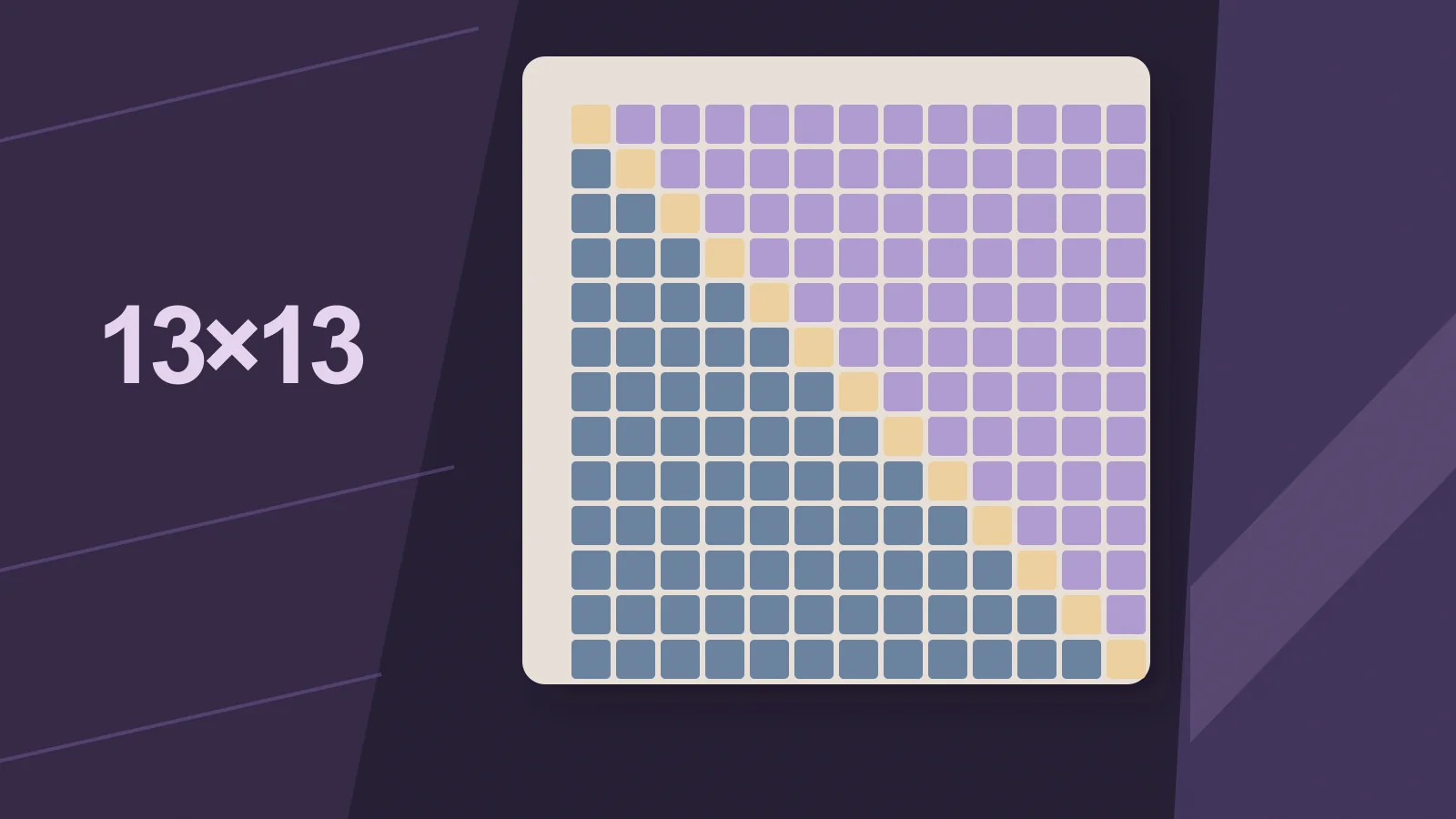
Use a complete 13×13 Hold'em hand-class chart, decode suited and offsuit notation and combo counts, and check why action charts depend on position.

Understand balanced ranges, mixed frequencies, solver assumptions, and when a solid read justifies leaving the baseline.
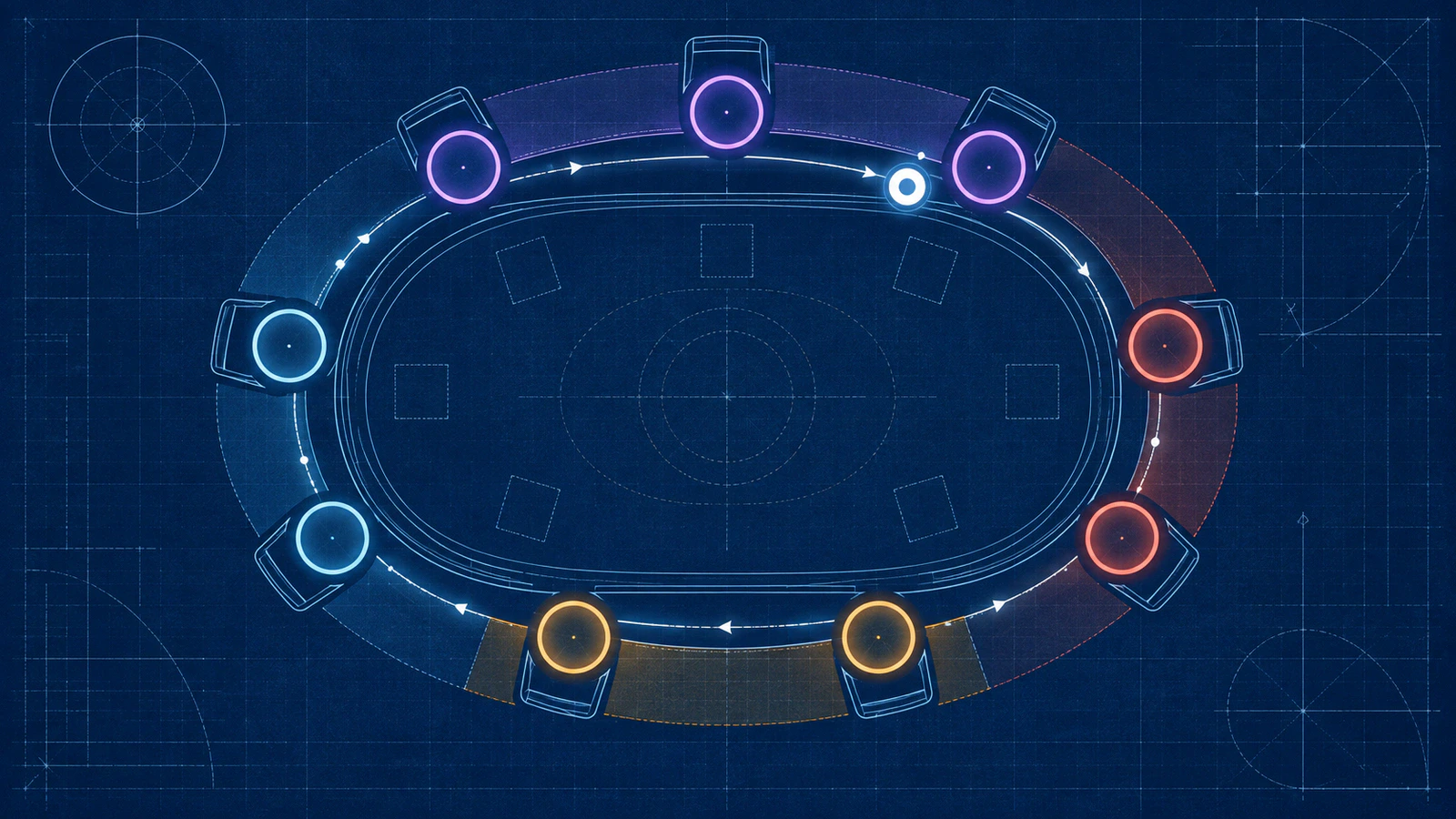
Map every seat at 6-max and 9-handed tables, then see why acting later changes the information available to you.

Use a repeatable five-step process to review hand histories, compare ranges and bet sizes, and separate decision quality from the final result.